
Three decades of teaching medicine — one structured system.
I'm David Avarbock. I've tutored more than 700 students for over 15,000 hours. I designed Avarbock Medical Education to give students the best chance of succeeding on medical exams with a highly-structured system.
“How do you teach two years of medicine in six weeks — and make it stick? That's the puzzle I've never stopped trying to solve.”
From particle physics to the puzzle of medicine
I've always had a passion for science. I was inspired by my parents, both university scientists for fifty years. In high school, I competed nationally in physics and mathematics and started my first research projects in a gifted-studies program — tutoring my classmates in math, physics, and chemistry along the way.
I attended the University of Pennsylvania as a Benjamin Franklin Scholar in the Honors Program, intending to become a theoretical and particle physicist. I've always been captivated by atomic structure and the microscopic world. After two years, I switched to biomedicine and petitioned the university to design my own major, combining physics, mathematics, biology, and chemistry. I graduated summa cum laude, Phi Beta Kappa, with honors distinction and a thesis on inhibitors of DNA replication in malaria and tuberculosis.
I spent those years in the lab — first studying the biochemistry of infectious diseases like malaria and tuberculosis, then leukemia and the first drugs of precision oncology, and later inhibitors of HIV entry. I wanted to help eradicate the diseases that hit the developing world and children hardest, a drive that still shapes the research I take on today.
I stayed at Penn for the NIH Medical Scientist Training Program — a combined MD/PhD on full scholarship. During my first year, I helped an upper-level student who was struggling with biochemistry and genetics for Step 1 — the first time I'd ever heard of the exam. The format was only a few years old, there were few resources, and no tutor was crazy enough to teach fifteen subjects at once. I had never seen a test that demanded mastery of nearly all of science and medicine, and that challenge excited me.
Since that day, I've been obsessed with creating the most effective method of teaching and retaining this vast body of information. AvarbockMed is the system that came out of that obsession — not just a question bank or a video course, but a structured knowledge base I've spent a career building.
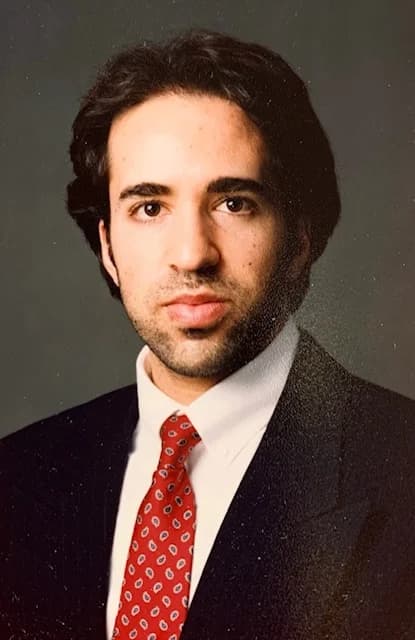
Education & qualifications
Both a physician and a bench scientist
After completing my PhD I did post-doctoral research, and after graduating with my MD/PhD I continued in biomedical research and consulting. I've worked in many settings — biotech, industry, military, and sports centers — focusing on diseases that profoundly affect children and underdeveloped countries.
I've always been able to anticipate breakthrough technologies, and I've never been afraid to take risks in pursuit of discoveries that lay the foundation for future healthcare. That work spans a tuberculosis vaccine, malaria and HIV therapeutics, the first targeted chemotherapy drugs, as well as sports medicine and human performance including cartilage regeneration, muscle development, and metabolic biochemistry.
Today I work on artificial intelligence applications in medicine: drug and vaccine design, disease-modeling platforms, and virtual cells. The research area that I'm most passionate about is therapeutics for pediatric cancers and gene editing for rare pediatric diseases.
Three decades in the classroom
I've taught at every level of training — from first-year undergraduates to residents sitting their boards.
The numbers behind the work
Lectured or privately taught over 5,000 students on every continent (except Antarctica), at 60+ medical schools, and at all top-10 U.S. medical schools.
Helped almost 100 students pass who were on their final CBSE attempt, or a 3rd, 4th, or final Step 1, Step 2, Step 3, or shelf-exam attempt.
My principles
A long-term teaching relationship
I tutor students through their first-year subject exams, Step 1, the clinical shelves, Step 2, and Step 3/boards during residency — often five to seven years. I appreciate that students put their trust in me with their medical careers.
Efficiency over wasted hours
I designed my study methods to survive my grueling sport schedule. That demanded innovative techniques to learn the material once, retain it, and never relearn it — so students don't waste time on useless resources. Those methods are what I teach.
Calm under pressure
Every month I have a student on a last board attempt, where there's no margin of error. My job is to make certain they pass ten times out of ten — no matter what variation of the test they're given.
What forty years of combat sports taught me about test day
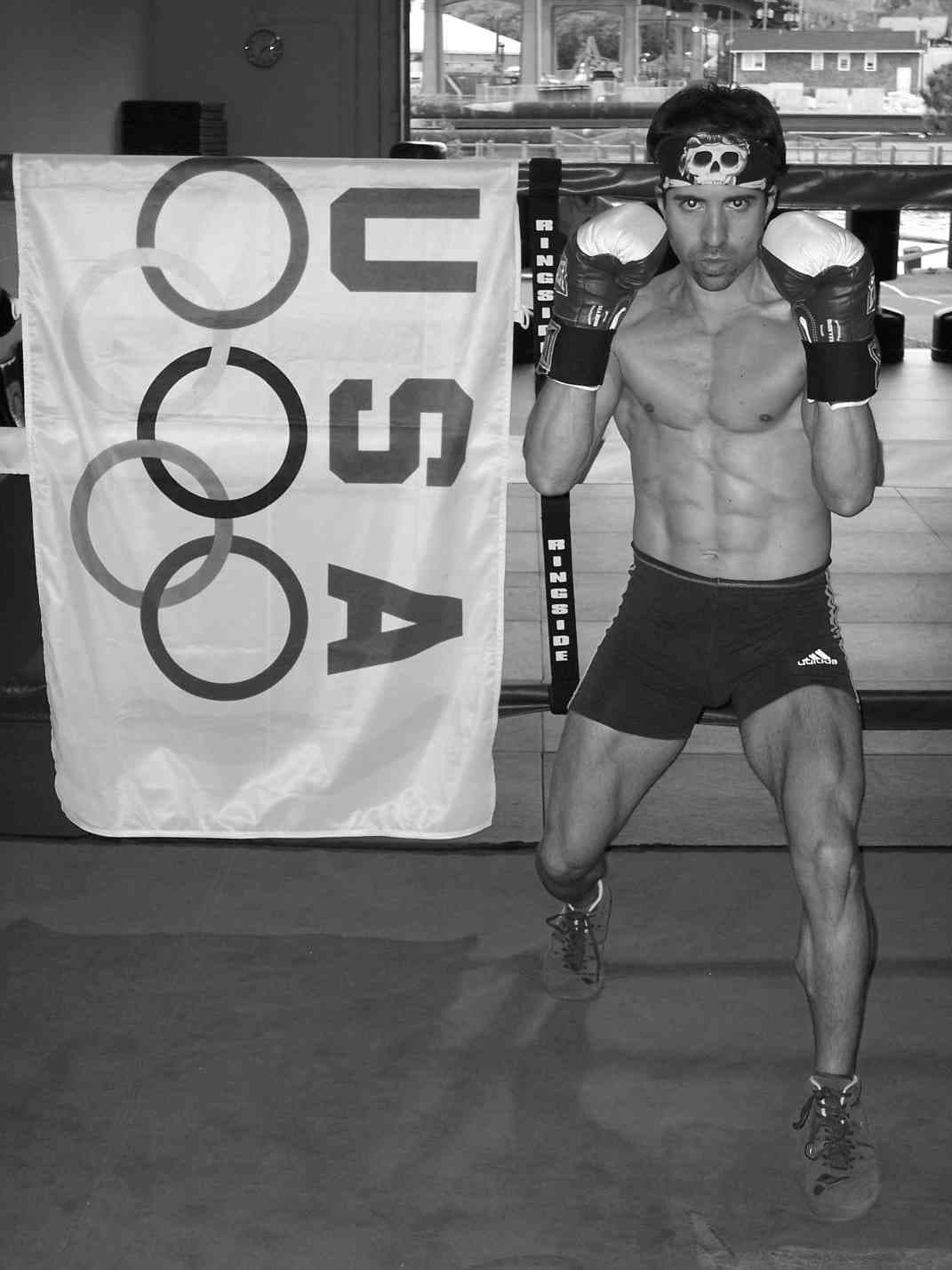
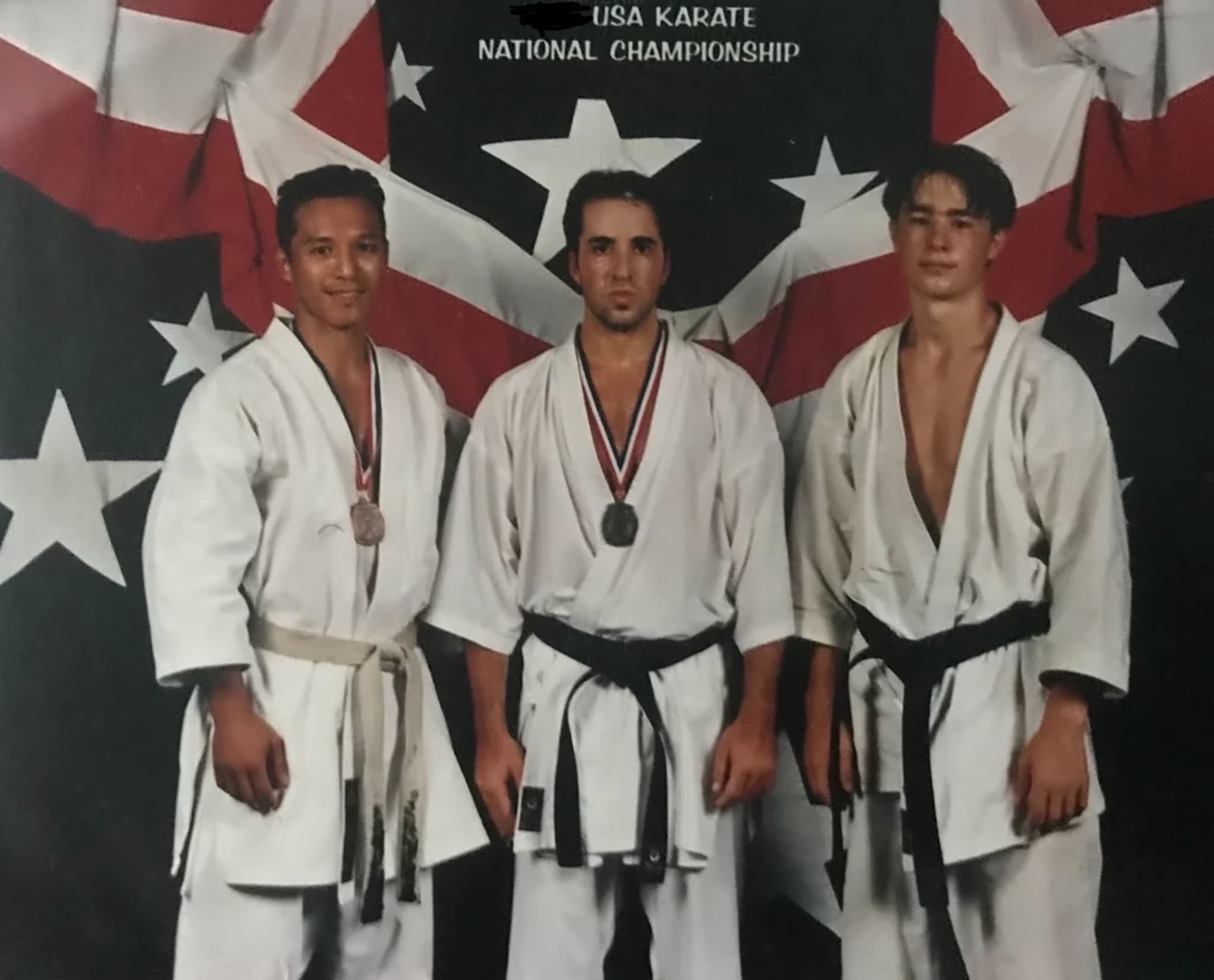
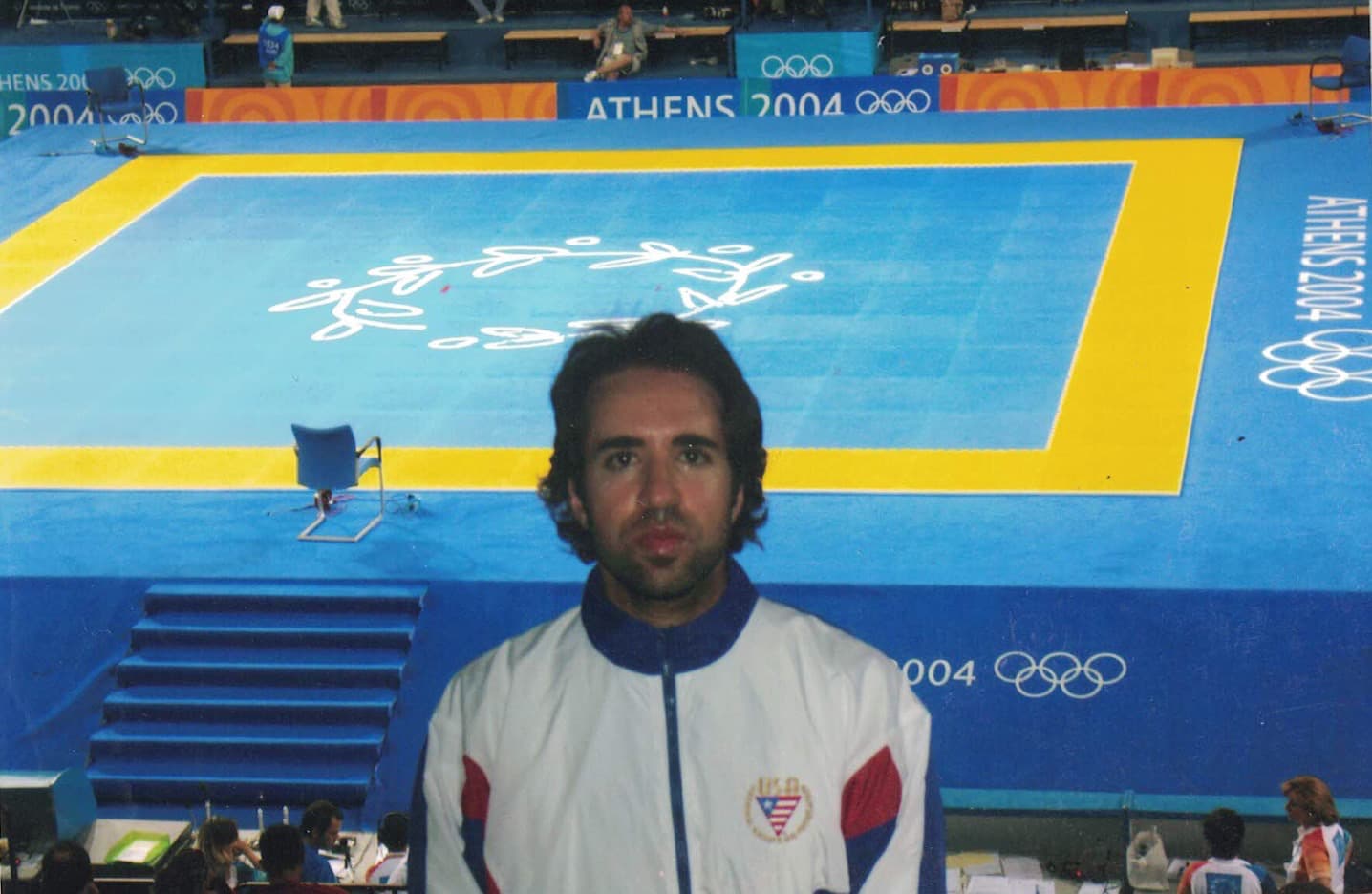
I've trained combat sports since I was a kid — karate, boxing, taekwondo, and wrestling — and spent over twenty years representing the United States as an amateur across more than thirty countries, chasing my dream of making the Olympics. When my amateur career was over, I began competing in mixed martial arts and coaching fighters.
I never had a week of school without fighting. That schedule forced me to design efficient study methods, and the relaxation and focus techniques I developed for fight day are the same ones I now teach my students for test day.
My experience as a coach — training athletes for four years for one moment at the Olympics and walking fighters through the anxiety of fight day — is the same work as getting a student ready for a USMLE exam: years of preparation leading to a single critical day, with no margin for error.
Lectures, research & ventures
I've never turned away a student in trouble
I've never turned down a student who has had a major setback on a board exam. I've provided over 2,000 free hours of tutoring to all my students over the years and continued to teach students when they ran into financial hardship.
Study with a teacher who's seen it all
The structured system behind a 99% first-attempt pass rate is open to you now. Start free — no app to download.